
Subtotal:
$ 0.00
The Best Cell Phone Charging Lockers: US Buying Guide
Cell phone charging lockers for Las Vegas, New York, California, Texas and beyond. Compare features, suppliers, pricing and buying options.
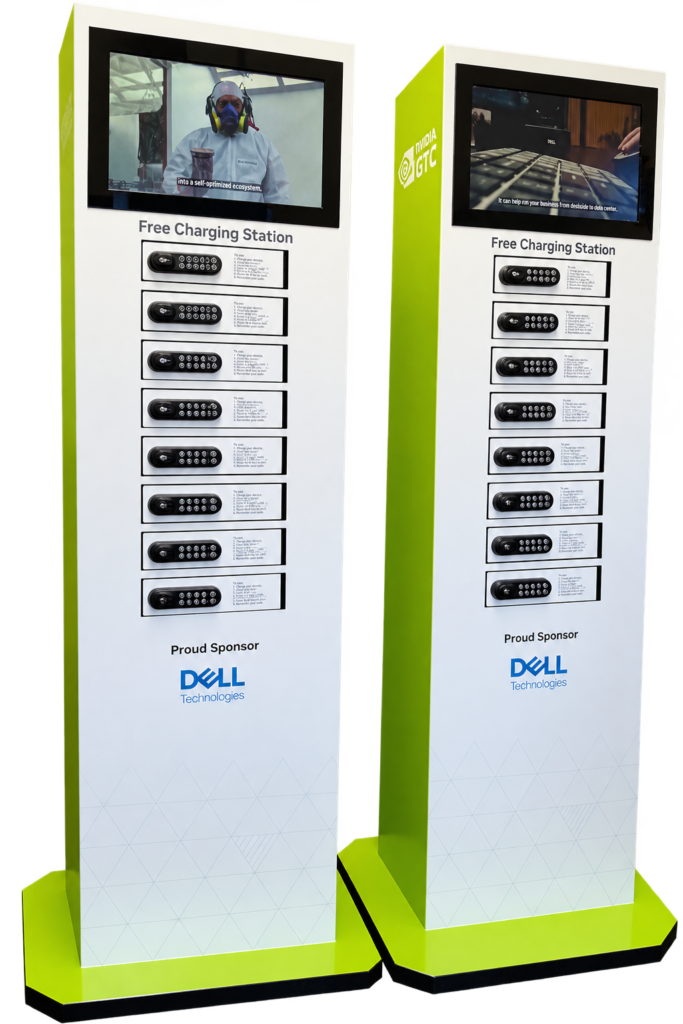
The best cell phone charging lockers for Las Vegas, New York, California, Texas and beyond. Compare features, suppliers, pricing and buying options.
Part 1: Introduction and Core Cell Phone Charging Lockers Buying Advice
Introduction: Why Businesses Are Investing in Cell Phone Charging Lockers
A smartphone is no longer just a device for making calls. Customers use their phones to access digital tickets, make payments, navigate unfamiliar places, communicate with colleagues, take photographs, check event schedules, and stay connected throughout the day. When the battery runs low, even a routine visit to a hotel, convention center, shopping mall, or entertainment venue can become inconvenient.
For businesses that welcome large numbers of visitors, providing a practical way to recharge a phone can be a valuable customer amenity. However, not every charging solution offers the same experience. An open charging station may suit customers who remain close to their devices, while a secure cell phone charging locker allows a visitor to place a phone inside a dedicated compartment and leave it charging while they continue with their activities.
Choosing the right system requires more than counting charging cables. Business buyers need to consider capacity, device compatibility, access controls, physical dimensions, electrical requirements, branding opportunities, maintenance, warranty coverage, and the supplier’s ability to support the equipment over time.
These considerations are especially relevant in busy commercial markets such as Las Vegas, Nevada; New York City; and California’s major metropolitan areas. Hotels, casinos, convention facilities, universities, shopping centers, entertainment venues, and event organizers may have very different requirements, even when they are all looking to purchase phone charging lockers. Businesses in Orlando, Miami, and Chicago face their own operational and procurement considerations.
This guide explains how commercial phone charging lockers work, how they compare with other charging stations, what buyers should ask suppliers, and how to evaluate the long-term value of a purchase. It also examines Vischarge, a supplier of branded phone charging lockers and non-locker charging stations. Its published range includes a 12-locker model and a 16-cable charging station, providing examples of the two principal formats buyers may wish to compare.
Vischarge advertises an offer that includes an additional free charging locker, customized branding, shipping, and a 10-year service contract, subject to the applicable terms. Businesses considering the offer should confirm the eligible products and written coverage before placing an order.
The objective is simple: help you choose equipment that suits your venue, make a more informed purchasing decision, and identify the right questions to ask before committing to a supplier.
1. What Are Commercial Cell Phone Charging Lockers?
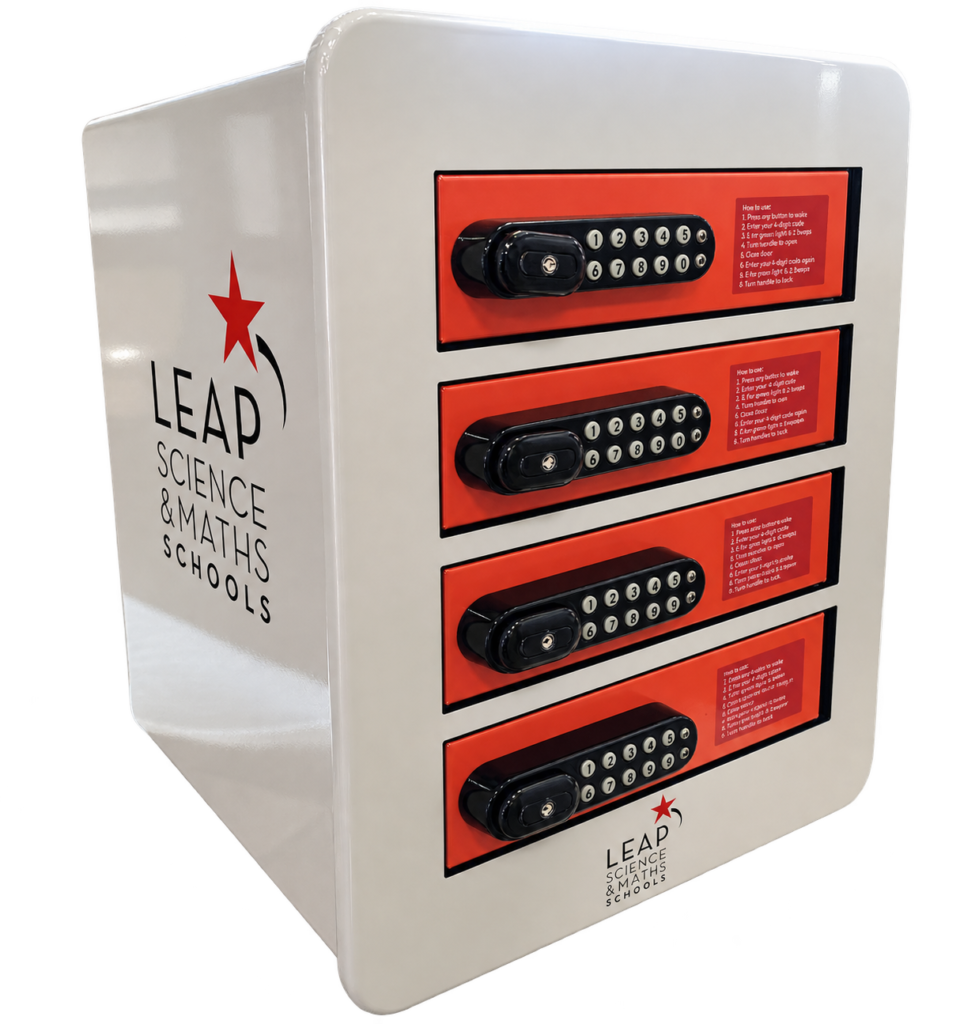
A commercial cell phone charging locker is a charging unit containing individual compartments where users can store and charge their mobile phones. Each compartment typically provides a charging connection and a way to secure the door, allowing the user to retrieve the device later.
Unlike an open charging station, where a phone remains accessible while connected to a cable, a charging locker is designed for situations in which the owner wants to leave the device temporarily.
The precise features vary by model. Buyers should always consult the manufacturer’s specifications rather than assume every charging locker has the same hardware or security features.
How Does a Cell Phone Charging Locker Work?
A typical user experience involves five steps:
Choose an available compartment. The user selects an empty locker suitable for their phone.
Connect the device. They use the charging cable provided inside the compartment, provided it is compatible with their device.
Secure the compartment. Depending on the model, the user may set a PIN, use a supplied key, or access the compartment through an authorized card or credential.
Leave the phone charging. The user can continue attending a conference, shopping, or enjoying a venue without keeping the phone in their hand.
Return and retrieve the device. They use the same access method or credential to reopen the compartment.
The operating procedure depends on the particular locker. Some systems use user-selected codes, while others use different access arrangements. The buyer should confirm how forgotten codes, abandoned devices, emergency access, and staff overrides are handled.
Vischarge’s published 12-locker model lists individual compartments, three to six charging cables per locker in its product description, digital keypad access or RFID options, and customizable graphics. The product page also advertises a 10-year service contract and a limited lifetime product warranty; those terms should be checked against the actual purchase agreement.
Why Individual Compartments Matter
The main practical advantage of a charging locker is the separation between the device and the public area around it.
A visitor can place their phone in a compartment and walk away rather than leaving the device on a table or relying on a nearby employee to keep an eye on it. This can make lockers particularly useful in venues where visitors are moving between activities.
However, a lockable compartment is not an absolute guarantee against theft, damage, or unauthorized access. Businesses should assess the quality of the construction, lock mechanism, access controls, installation, and operational procedures.
It is also important to distinguish secure storage from data security. A standard charging locker should not require access to the contents of a phone. Buyers should ask what the equipment does, what information it collects if any, and whether payment or user-management features introduce additional requirements.
Who Should Consider Buying a Cell Phone Charging Locker?
Commercial phone charging lockers may be suitable for:
Hotels and resorts that want to provide guests with an additional amenity.
Casinos and entertainment venues where visitors may spend extended periods away from their belongings.
Convention centers and trade show organizers accommodating attendees throughout the day.
Shopping centers seeking practical customer facilities.
Universities and campuses with shared public areas.
Sports and event venues where visitors may move around frequently.
Corporate workplaces that need designated charging and storage facilities.
Businesses that want to incorporate a branded charging amenity into their customer experience.
The right use case depends on whether visitors need to leave their phones unattended, how many devices may need charging simultaneously, and what the venue can accommodate.
For example, a reception desk serving people who remain nearby may need only an open charging station. A conference venue where attendees move between halls and meeting rooms may have a stronger reason to consider secure compartments.
The purchasing decision should begin with the user’s needs, not with a particular product configuration.

2. Types of Commercial Phone Charging Stations
Commercial charging equipment comes in several forms. Understanding the differences helps businesses avoid paying for features they do not need or selecting a system that is unsuitable for the venue.
Secure Multi-Compartment Charging Lockers
These units contain separate, lockable compartments, usually with charging connections inside each one. They are most relevant when users need to leave a phone charging while they move around a venue.
Buyers should assess the number of compartments, door dimensions, locking method, cable options, power requirements, and how staff can assist users who experience access problems.
Some products also offer displays, branding panels, or additional electronic features. These should be evaluated against actual operational needs rather than treated as essential by default.
Open-Access Cell Phone Charging Stations
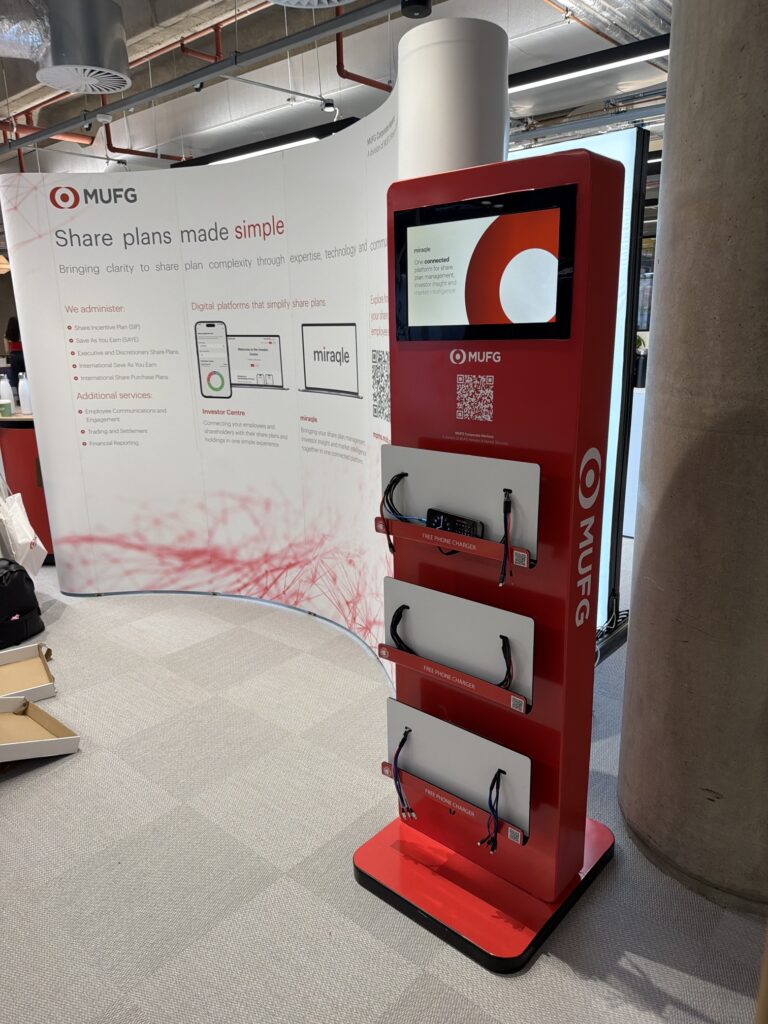
An open cell phone charging station allows users to connect a phone without placing it inside a locked compartment. Designs include wall-mounted panels, countertop stations, freestanding kiosks, and units with multiple built-in cables.
These can be useful in waiting rooms, lounges, cafés, reception areas, and networking spaces where users remain nearby.
Open-access models may be simpler to operate and can occupy less space per charging point. Their main limitation is that the phone is not enclosed in an individual lockable compartment.
Vischarge lists a 16-cable charging station with customizable graphics as an example of an open-format product. This type of system is worth comparing with its locker products when the venue prioritizes accessible charging over secure storage.
Wall-Mounted and Tabletop Cell Phone Charging Stations
Wall-mounted cell phone charging stations can be useful where floor space is limited. Tabletop units may suit reception counters, cafés, meeting spaces, and hospitality areas.
The buyer should confirm the mounting arrangement, weight, cable reach, required power connection, and whether the unit can be installed safely in the intended location.
A product that works well on a tabletop may not be suitable for a public corridor or a high-traffic floor area. Installation needs to reflect the venue’s layout and applicable building requirements.
Freestanding Cell Phone Charging Kiosks
Freestanding kiosks are visible, self-contained units that can be positioned in suitable public or commercial areas. Depending on the model, they may provide open charging connections, individual lockers, displays, or branded surfaces.
They can be useful where the business wants a clearly identifiable charging point rather than a small charging panel attached to existing furniture.
Before purchasing, check the unit’s footprint, stability, cable management, electrical needs, cleaning access, and whether it needs to be anchored or positioned away from routes used by pedestrians.
Charging Tables and Furniture Cell Phone charging stations
Charging tables integrate charging connections into furniture. They may be appropriate for lounges, hospitality settings, networking areas, or event spaces where people naturally sit or gather.
Their primary advantage is convenience: charging becomes part of the furniture rather than a separate destination. However, charging tables do not necessarily provide the secure storage that an individual locker offers. Buyers should decide whether the main need is convenient charging while seated or the ability to leave devices unattended.
Portable Power Bank Rental Systems
Portable power bank systems operate differently. A customer rents a battery pack from a station, carries it while using their phone, and returns it according to the provider’s process.
This model can be suitable for festivals, nightlife, tourism, and other environments where people want to continue moving while charging.
However, a portable power bank rental network is not the same as purchasing a fixed locker unit. A business evaluating permanent charging infrastructure should compare ownership, operating responsibilities, service arrangements, and the customer experience separately.
Which Type Is Best for Your Business?
| Requirement | Solution Worth Considering |
|---|---|
| Visitors need to leave phones unattended | Secure charging lockers |
| Visitors remain near the charging point | Open-access station |
| Floor space is restricted | Wall-mounted or countertop model |
| Customers gather around seating areas | Charging table |
| A prominent branded charging point is desired | Branded kiosk or suitable locker |
| Users want to carry on walking while charging | Portable power bank rental |
| A venue needs permanent, recurring capacity | Purchased commercial equipment |
There is no universally best format. A venue may even benefit from a combination—for example, secure lockers near a reception area and open charging points in a lounge.
For Vischarge, the main commercial opportunity is to help buyers determine when secure lockers are the better fit, while offering non-locker products when those meet the customer’s needs more effectively.
3. Why Businesses Buy Phone Charging Lockers
The business case for charging lockers starts with a straightforward problem: visitors depend on their phones, but venues cannot assume that every visitor will arrive with a fully charged battery or an accessible power outlet.
A well-chosen charging facility provides an additional service. Its value depends on the venue, the people using it, and how the equipment is managed.
Improving Visitor Convenience
Visitors may need their phones to display tickets, communicate with colleagues, access maps, use payment apps, or coordinate travel. A charging locker gives them an option when the battery runs low and they do not want to remain beside a charging point.
This can be particularly useful during conferences, shopping trips, long visits, and events where attendees move between multiple areas.
Providing a More Organized Charging Option
Without a designated system, visitors may ask staff where they can charge their devices, search for outlets, or leave phones on available tables. These informal arrangements may be inconvenient and can create questions about who is responsible for a device left behind.
A designated charging station gives the venue a defined location and an established process. A locker-based system adds individual compartments and a specified access method.
Businesses should still establish clear instructions and procedures for lost access codes, unclaimed devices, and faults.
Supporting Longer Events and High-Traffic Environments
At conferences, trade shows, sporting events, and entertainment venues, visitors may spend several hours on site. Charging facilities can become part of the venue’s overall customer-service provision.
The appropriate capacity depends on actual demand. A small venue may need only a few charging points, while a large event may need multiple units positioned in accessible locations.
It is better to estimate simultaneous demand and monitor actual use than to choose a locker solely because it has the largest number of compartments.
Creating a Branded Customer Touchpoint
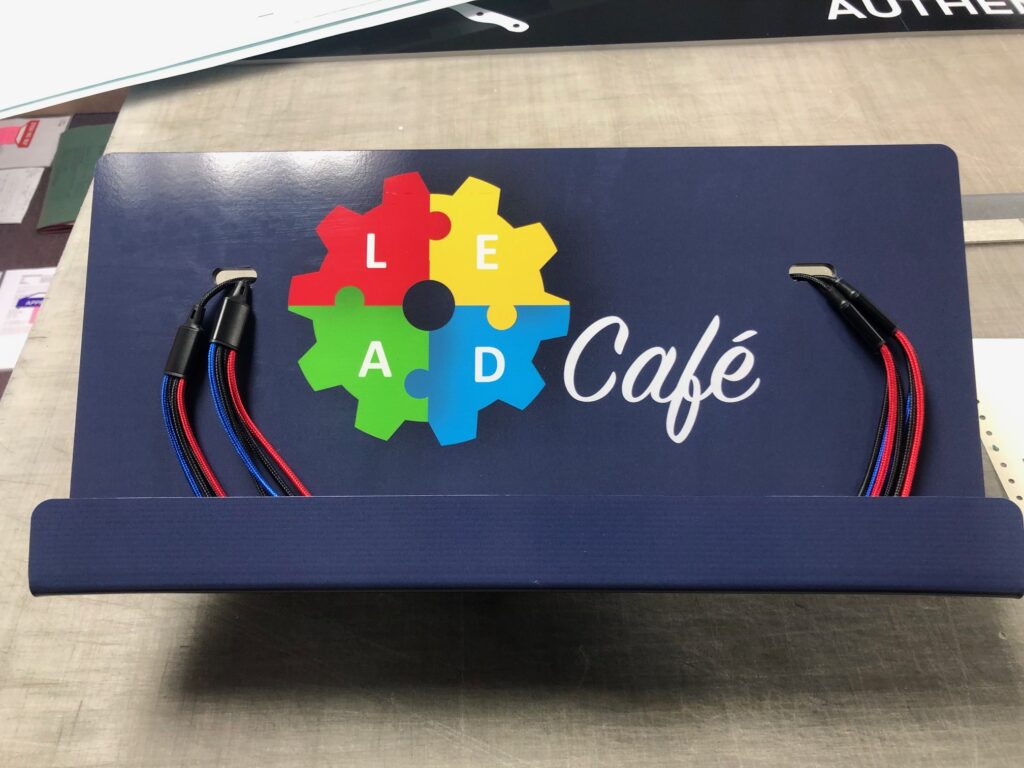
A cell phone charging station can also provide space for a company logo, event identity, or sponsor graphics.
For a business, the benefit is the opportunity to associate its brand with a practical service. For a sponsor, the charging point may become part of an event activation or visitor engagement plan.
The value depends on visibility, placement, visitor interaction, design quality, and whether the branding is appropriate for the venue. A logo on a charging locker does not automatically generate leads or sales.
Buyers should ask which surfaces can be customized, whether artwork preparation is included, what file formats are required, and whether branding can be updated for future campaigns.
Considering Operational Benefits
A cell phone charging locker can create a consistent process for charging and retrieving devices. Depending on the model and the venue’s procedures, it may reduce reliance on staff-managed charging arrangements.
Nevertheless, lockers still require inspection, cleaning, cable replacement when necessary, fault handling, and a process for helping users who cannot reopen a compartment.
Before purchasing, the buyer should understand who will perform these tasks and what support the supplier provides.
Measuring the Business Value
Rather than assuming that charging lockers will increase revenue or customer loyalty, businesses can measure whether the investment achieves its objectives.
Useful measures may include:
-
Number of charging sessions or compartments used, if that information is available.
-
Peak periods and average utilization.
-
Number of visitor inquiries about charging.
-
Staff time spent handling charging-related requests.
-
User feedback about the charging facility.
-
Sponsor engagement, where branding is part of a measured campaign.
-
Maintenance costs and equipment downtime.
These measurements help the buyer determine whether the equipment is being used effectively and whether additional capacity is justified.
For a venue that prioritizes visitor convenience, the value may be primarily operational rather than directly financial. For a marketing-led installation, branding and sponsorship may also be relevant. The business case should reflect the actual purpose of the purchase.
4. How to Choose the Right Cell Phone Charging Locker
The most suitable charging locker is not necessarily the largest, most expensive, or most feature-rich model. It is the one that meets the venue’s requirements without creating unnecessary costs or operational complications.
Before requesting quotations, buyers should define how the equipment will be used, how many people it must serve, and what level of security and support is required.
4.1 Estimate the Number of Simultaneous Users
Start by estimating peak demand rather than total daily visitors.
A hotel may welcome hundreds of guests throughout the day but experience only a small number of people needing a phone locker at any one time. A conference venue may experience concentrated demand during registration, meal breaks, or between sessions.
Useful questions include:
-
How many visitors are likely to need charging at the same time?
-
How long will a typical charging session last?
-
Will users leave the venue area while their devices charge?
-
Will demand be concentrated around specific times?
-
Can the equipment be expanded if usage increases?
For example, a venue estimating that eight visitors may need secure charging simultaneously could initially assess an eight- or twelve-compartment configuration. This is an illustrative starting point, not a universal capacity recommendation. Actual demand, expected turnover, device size, and availability requirements should determine the final specification.
4.2 Check Compartment Dimensions
A charging locker must accommodate the devices its intended users bring.
Do not assume that every compartment can accommodate every phone, phone case, accessory, or tablet. Check the internal width, height, and depth, along with the location of the charging cable and any obstruction created by the door or locking mechanism.
If a venue expects users to charge tablets or larger devices, confirm whether the proposed unit supports them. A phone locker should not be treated as a tablet locker without appropriate dimensions and manufacturer confirmation.
4.3 Confirm Charging Compatibility
Ask the supplier which charging cables, connectors, and protocols are supported by the specific product.
USB-C, Apple’s Lightning connector, and Micro-USB may be relevant depending on the device population. Wireless charging may also be useful in certain settings, but it should only be included in the specification when the proposed model supports it.
Check whether cables are permanently fitted, replaceable, or available as spare parts. Ask what happens if a cable becomes damaged and whether replacement work is covered by the service agreement.
4.4 Evaluate the Locking System
Access control affects both the visitor experience and the venue’s day-to-day operations.
Common approaches include:
-
User-selected PIN codes.
-
Key-operated compartments.
-
RFID cards or compatible access credentials.
-
Electronic locks with administrator override facilities.
Each approach has trade-offs. A PIN-based system may be straightforward for occasional public use, while credential-based access may suit a controlled workplace environment. Physical keys can be simple but introduce key-management responsibilities.
Ask how the system handles forgotten codes, failed locks, power interruptions, abandoned devices, and emergency access. Ensure that the procedure is documented and appropriate for the venue.
4.5 Assess Physical Dimensions and Installation
A locker that fits comfortably in a product photograph may not suit the intended location.
Measure the available floor area, height, door clearance, access route, and nearby power supply. Consider how people will approach the unit and whether doors or queues could obstruct circulation.
Wall-mounted units require an appropriate mounting surface and installation method. Freestanding units need suitable positioning and stability. Electrical connections and any required installation work should be checked with the relevant facilities team or qualified professional.
For a hotel or convention center, the installation plan should also consider cleaning, maintenance access, signage, and how the unit fits into the existing customer journey.
4.6 Consider Branding Requirements
Branding may be a significant part of the purchase if the charging locker is intended for a corporate event, trade show, casino, retail property, or sponsored visitor experience.
Before approving a design, confirm:
-
Which panels and surfaces can be branded.
-
Whether the logo, colors, and artwork can be customized.
-
Whether the supplier provides artwork templates.
-
Whether design preparation and printing are included.
-
Whether a display screen is available on the chosen model.
-
How branding can be replaced or updated later.
Request a visual proof or mock-up before approving production. This reduces the risk of a mismatch between the intended design and the finished unit.
4.7 Review Durability and Product Documentation
Commercial equipment may be used repeatedly in busy environments. Buyers should ask for specifications covering construction, intended usage, electrical requirements, maintenance, and applicable safety documentation.
If the product will be installed in a high-traffic public space, ask the supplier how the enclosure, hinges, locks, cables, and charging components are intended to withstand regular use.
Do not assume that a supplier’s description of a product as “commercial grade” establishes a particular certification or service life. Request documentation for any specific performance or compliance claim that matters to the purchase.
4.8 Compare Warranty and Service Arrangements
A warranty and a service contract are not necessarily the same thing.
A product warranty generally sets out the manufacturer’s responsibilities for specified defects or failures under stated conditions. A service and maintenance contract may cover additional activities, but its scope depends on the written agreement.
Ask suppliers to explain:
-
Contract duration and start date.
-
Covered hardware and components.
-
Parts and labor coverage.
-
Technical support hours and response targets.
-
On-site service availability, if applicable.
-
Shipping costs for replacement components.
-
Exclusions, misuse provisions, and maintenance requirements.
-
Procedures for products that cannot be repaired economically.
For a product advertised with a 10-year service contract, obtain the complete contract before assuming that every repair, component, callout, or replacement is included.
4.9 Calculate the Total Cost of Ownership
The purchase price is only one part of the decision.
A more complete assessment considers:
-
Equipment price.
-
Delivery and installation.
-
Branding and customization.
-
Electricity and operating costs.
-
Routine maintenance.
-
Replacement cables and components.
-
Warranty exclusions.
-
Service contract costs outside the initial offer.
-
Expected replacement or upgrade requirements.
Compare equivalent configurations rather than comparing a basic open charging station with a more sophisticated secure locker as though they were interchangeable products.
A low initial price may be attractive, but a more expensive model could be appropriate if it meets an important operational requirement. Conversely, buying features that will never be used may provide little value.
Commercial Charging Locker Purchasing Checklist
Before you request a quotation:
- □
Estimate peak simultaneous users
- □
Confirm compartment dimensions
- □
Verify charging cables and protocols
- □
Choose an appropriate locking method
- □
Measure the installation space
- □
Check power and installation requirements
- □
Confirm branding specifications
- □
Obtain safety and product documentation
- □
Read the warranty and service contract
- □
Compare total ownership costs
5. Why Security Matters When Buying Phone Charging Lockers
A major reason to choose a locker over an open charging station is the ability to place a device inside a separately locked compartment. This allows the user to move around the venue without keeping the phone beside them.
However, buyers should evaluate security as a combination of physical design, access control, operating procedures, and user communication—not as a promise that a device cannot be lost or stolen.
Physical Compartments and Locks
Examine the construction of the locker doors, hinges, enclosure, and locking mechanism. Ask how the system is designed to resist normal wear and how staff can open a compartment when a user cannot retrieve a device.
For high-traffic venues, it is especially important to understand the maintenance process for failed locks, damaged doors, and faulty charging cables.
User Access and Forgotten PINs
A digital PIN system can be convenient, but the user needs clear instructions for setting and remembering the code. The venue also needs a documented procedure for assisting someone who forgets it.
An administrator override may be available, depending on the model. Buyers should confirm who is authorized to use it, how access is controlled, and what steps staff should follow to verify ownership before opening a compartment.
Privacy and Payment Considerations
Not all charging lockers collect the same information or support the same payment features. Ask whether the product stores user data, requires an account, uses a payment terminal, or integrates with any management platform.
Where payments or personal information are involved, the buyer should evaluate the applicable privacy, payment-security, and operational requirements.
Security Is Also About the Venue’s Procedures
Provide straightforward instructions explaining how to use the locker, how to retrieve the phone, and whom to contact if something goes wrong.
The venue should decide how to handle unclaimed devices, suspected tampering, and requests to open compartments. The supplier’s documentation should support this process.
A charging locker can provide a useful physical safeguard, but it should not be marketed as theft-proof or as a certified security enclosure unless the relevant evidence supports that specific claim.
6. Charging Compatibility, Performance, and Reliability
A charging locker is only useful when it can charge the devices its intended users bring. Compatibility should therefore be verified at the product level rather than assumed from a general statement that a unit supports modern phones.
Connectors and Charging Standards
USB-C is common on current devices, while Lightning and Micro-USB may remain relevant for certain existing devices and accessories. Buyers should assess the devices used by their audience and check the cables supplied with the chosen product.
The presence of a compatible connector does not, by itself, guarantee a particular charging speed. Charging performance can depend on the power source, cable, device, and supported charging protocol.
Verify the Advertised Output
Ask the supplier for the documented power output per connection or compartment, the total power capacity, and any limits that apply when several devices charge simultaneously.
Be cautious with broad descriptions such as “fast charging” unless the supplier provides a clear technical specification. Compare equivalent measurements and configurations.
If the venue expects visitors to charge devices quickly during short breaks, performance may matter more than it would in a hotel or facility where phones can remain connected for longer periods.
Maintenance and Reliability
Regular checks should include the physical condition of cables, locks, doors, connectors, and the external enclosure. The venue should also know how to report faults and take a compartment out of use until it is repaired.
Ask the supplier whether spare parts are available and how service requests are handled. If the unit is used during major events, understand what support is available when a failure occurs during operating hours.
The aim is not to assume that equipment will never fail. It is to make sure the product can be maintained and that the venue has a clear plan for dealing with problems.
7. Comparing Phone Charging Locker Suppliers
Supplier comparisons are most useful when they are based on actual products, published specifications, and written terms.
The following table summarizes the general types of suppliers you may encounter. It is a comparison of publicly available information and supplier categories, not an independently tested ranking of every charging station company in the United States.
| Supplier Type | Published Offering | Purchase or Rental | Branding and Support |
|---|---|---|---|
| Vischarge | Published 12-locker and open-format charging products | Purchase options and rental listings | Custom graphics and advertised long-term service benefits; confirm terms |
| Other commercial locker manufacturers | Multi-compartment lockers and charging stations | Purchase (some offer rental) | Varies by supplier; confirm written terms |
| Local event rental companies | Lockers, charging tables, and event stations | Local event rentals | Advertised delivery, setup, and collection |
| Managed device locker providers | Smart device lockers for managed devices | Quote-based product offering | Device management, access control, and tracking features |
| Portable power bank networks | Portable power bank rental network | Rental rather than equivalent permanent locker purchase | Portable chargers with multiple cable types |
What the Comparison Means for a Buyer
Vischarge merits consideration when the buyer wants to evaluate secure lockers, customizable graphics, and the advertised additional-equipment and service offer. The purchaser should confirm the exact product configuration and written terms.
Other commercial locker manufacturers may publish prices for selected configurations, while quoting others individually. A quote-based price does not necessarily mean that the equipment is more expensive; it means the buyer needs a direct quotation to establish the actual cost.
Local rental companies can be appropriate for one-off conferences, trade shows, and festivals where the buyer needs temporary equipment and local delivery or setup. They should not be compared with equipment manufacturers solely on the basis of the rental price.
Managed device lockers and portable power bank providers serve different operational needs. Managed device lockers may be relevant for organizational equipment, while portable battery rentals suit customers who want to keep moving with a charger. Neither should automatically be treated as a like-for-like replacement for a public phone charging locker.
Questions to Ask Every Supplier
Before choosing a provider, request written answers to these questions:
-
Is the quoted product available for purchase, rental, or both?
-
How many individual phones can be charged at once?
-
What charging cables and power outputs are included?
-
How does each locker open and lock?
-
What branding is included in the quoted price?
-
What are the delivery, installation, and lead-time arrangements?
-
What does the warranty cover?
-
What exactly is included in any service and maintenance contract?
-
Are spare parts available, and what do they cost?
-
Are there any recurring fees or exclusions?
-
What product documentation and safety information can the supplier provide?
-
Can the supplier provide a complete written quotation for the intended installation?
A supplier comparison should end with a clear understanding of what is included, what is excluded, and what the buyer will be responsible for after installation.
8. Buying Cell Phone Charging Lockers in Las Vegas, Nevada
Las Vegas is a particularly relevant market for commercial charging lockers because businesses serve a mix of hotel guests, convention attendees, shoppers, entertainment customers, and visitors attending major events. For many of these users, a phone is essential for tickets, reservations, communication, payments, photographs, and navigation.
For a venue considering a permanent charging installation, the main question is not simply whether people need power. It is whether a secure locker system is the most suitable way to provide it.
Casinos, Hotels, and Resorts
Hotels and resorts may consider charging lockers for selected public areas, conference facilities, lounges, and event spaces. The best location depends on guest movement and the property’s service model.
A locker positioned near an appropriate staffed area may be easier for visitors to locate and for the property to manage. The facilities team should assess access, visibility, power availability, cleaning, and the way the unit fits into the surrounding space.
Casinos and other entertainment properties should consider their own security policies and operational requirements before installing equipment in public areas. The choice of locking system, staff access procedure, and handling of unclaimed devices should be agreed upon in advance.
For these venues, customized branding may also be useful. A charging locker can be designed to align with the property’s visual identity or a particular event, subject to the supplier’s branding options and approval process.
Convention Centers and Trade Shows
Las Vegas hosts a wide range of business events, exhibitions, and conferences. Organizers need to consider the practical needs of attendees as they move between sessions, exhibition halls, meetings, and networking areas.
Charging lockers can offer a convenient place for attendees to leave a phone charging without remaining beside it. They may also create a branded touchpoint for an event sponsor.
Before purchasing, an organizer should estimate the likely peak demand and determine how many compartments are needed. Placement matters: the unit must be easy to find without blocking walkways, exits, registration desks, or accessible routes.
A permanent venue installation and a temporary trade show activation are different purchasing decisions. A venue hosting events throughout the year may benefit from owning its own equipment. An organizer running a single event may prefer to rent.
Entertainment, Nightlife, and Retail
In entertainment venues and nightlife settings, visitors may value the ability to leave their phones charging while continuing their visit. Retail properties may see value in providing a dedicated amenity that complements their wider customer-service facilities.
However, the operating environment should influence the product choice. Buyers should assess how clearly the locker can be seen, whether users can understand the access process, and how staff can help if a lock or cable fails.
A unit designed for a quiet lobby may not be the most suitable choice for a busy public entertainment area. Durability, positioning, accessibility, and maintenance should be evaluated against expected use.
Local Rental Providers vs. Purchasing
When the need is temporary, a local Las Vegas rental provider can be a useful option to include in a buyer’s comparison. It does not establish that rental is better than ownership, nor does it provide a direct comparison of permanent equipment prices.
A business planning recurring use should compare the expected frequency of use, rental costs over time, ownership responsibilities, and service arrangements.
Las Vegas Purchasing Checklist
Before buying, confirm:
-
The expected number of simultaneous users.
-
Whether visitors will leave the area while their phones charge.
-
The number and dimensions of compartments.
-
The access and override procedure.
-
Power availability and installation requirements.
-
Branding and sponsor-design requirements.
-
Staff responsibilities and maintenance procedures.
-
Delivery lead times and written service terms.
Vischarge is worth including in the supplier shortlist for buyers looking for branded commercial lockers and a documented long-term service arrangement. Its advertised additional free locker and associated benefits should be confirmed against the intended model and written quotation.
Next step: Contact Vischarge to request a quotation for your Las Vegas venue, explain the expected usage, and ask for confirmation of the full promotional terms.
9. Buying Phone Charging Lockers in New York
New York’s commercial environments vary considerably. A compact installation for a corporate office may have very different requirements from a charging facility intended for a large event venue, hotel, retail property, or university.
The purchasing process should therefore begin with the location and the intended users rather than an assumption that one locker configuration will suit every property.
Hotels and Hospitality
Hotels may consider charging lockers in suitable shared areas, conference facilities, or other locations where guests need a place to charge devices while temporarily leaving them unattended.
Space planning is especially important in busy buildings. Buyers should measure the installation area and make sure that the unit does not interfere with circulation, reception operations, cleaning access, or accessible routes.
The venue should also establish clear instructions for users and staff. Guests need to know how to secure and retrieve their phones, and staff need a documented process for handling access problems.
Corporate Offices and Coworking Spaces
In offices, the intended use determines whether public charging lockers or a controlled-access device locker is appropriate.
A public-facing charging locker may suit a shared visitor area. A workplace managing company-owned phones or other equipment may need a more specialized system with individual user credentials and inventory-management features.
Before purchasing, determine whether the requirement is to charge personal devices, secure company-owned equipment, or support both use cases. These needs may call for different products.
Retail, Universities, and Events
Retail properties and universities should evaluate user volumes, likely dwell times, access arrangements, and the location of available power.
For exhibitions, conferences, and other events, branding may be important alongside capacity. Buyers should confirm whether custom graphics are included, how artwork is supplied, and whether a particular design can be used for future events.
Sourcing and Delivery in New York
A supplier does not necessarily need to operate a local showroom to serve a New York buyer, but delivery and service arrangements should be clear.
Request the expected delivery window, packaging and handling details, installation responsibilities, and the process for reporting faults. If on-site maintenance is required, ask whether it is actually available in the relevant area and what it costs.
Do not assume that nationwide shipping automatically means local installation or rapid on-site support.
New York Supplier Evaluation
When comparing Vischarge with other commercial suppliers, ask each provider to quote on the same requirements: number of lockers, charging options, branding, installation needs, warranty, service contract, and delivery.
This creates a more meaningful comparison than relying on a headline price or a broad claim about quality.
Next step: Request a quotation from Vischarge and specify the New York location, installation environment, desired locker capacity, and branding requirements.
10. Buying Phone Charging Lockers in California
California should be approached as a statewide commercial market with multiple distinct regional needs, rather than as one uniform location.
Los Angeles, San Diego, San Francisco, San Jose, Sacramento, Anaheim, Long Beach, Oakland, and Orange County each contain different combinations of hospitality, corporate, educational, retail, entertainment, and event environments.
A useful buying guide must help organizations in those markets make practical decisions without implying that all businesses have the same requirements.
Los Angeles and Orange County
Businesses in Los Angeles and Orange County may evaluate charging lockers for convention facilities, hotels, shopping centers, universities, entertainment venues, corporate events, and sports-related environments.
For a large public venue, the buyer should consider peak demand, the number of simultaneous users, physical placement, and the need for clear user instructions.
For an exhibition booth or branded activation, the design may be as important as capacity. A branded charging locker can provide a practical service while displaying the event or sponsor identity.
Before selecting a model, establish whether the equipment will remain installed permanently or be moved between events. A permanent installation may justify a different specification from a portable unit intended for repeated temporary use.
San Diego
Hotels, conference facilities, educational institutions, retail properties, and event organizers may all have reasons to assess commercial phone charging lockers.
The choice should reflect the location’s visitor flow and the expected duration of use. A facility where people leave phones unattended may benefit from lockable compartments, while a seated waiting area may be better served by open charging points.
Buyers should verify the unit’s dimensions, charging compatibility, locking method, service arrangements, and delivery requirements before committing to an order.
San Francisco and San Jose
Corporate workplaces, educational institutions, convention spaces, and public-facing commercial facilities may need different combinations of device charging, storage, access control, and branding.
In a workplace, it is important to distinguish personal-device charging from managed charging of company-owned equipment. The latter may require access controls and tracking capabilities that are not provided by a basic public phone charging locker.
For compact locations, the installation footprint and access clearance should be assessed carefully. Wall-mounted or smaller-format stations may be worth considering where a full freestanding locker would occupy too much space.
Sacramento and Other California Markets
In Sacramento and other cities, the same procurement principles apply: define the intended use, estimate demand, check technical specifications, and establish the maintenance arrangements.
Businesses should assess local installation requirements, building policies, and any applicable electrical and product-safety requirements for the specific site. Requirements may vary according to the equipment, the building, and the nature of the installation.
A supplier’s statement that it ships to California should not be interpreted as confirmation that it will handle installation, permitting, or local compliance on the customer’s behalf.
California Buyer Checklist
For a California purchase, confirm:
-
Intended use and expected peak demand.
-
Locker dimensions and charging specifications.
-
Locking and access procedures.
-
Branding requirements and artwork approval.
-
Installation and power requirements.
-
Relevant product documentation.
-
Delivery and lead times.
-
Warranty coverage and maintenance arrangements.
-
Total cost of ownership.
-
Any site-specific building or installation requirements.
Next step: Contact Vischarge with the California city, venue type, required capacity, and desired branding. Ask for a written quote and confirmation of the offer that applies to the selected product.
11. Buying Phone Charging Lockers in Florida: Orlando and Miami
Orlando and Miami both have commercial opportunities for phone charging equipment, but buyers should evaluate the intended setting rather than assume that a single product will suit every venue.
Orlando: Hospitality, Conventions, and Events
Hotels, conference facilities, trade shows, retail properties, and event organizers may consider charging lockers when visitors need to charge phones during extended visits.
For a conference, the main considerations may include attendee numbers, peak demand, access during breaks, and whether the equipment is needed for one event or throughout the year. For a hotel or other permanent venue, durability, maintenance, and placement may be more important.
A charging locker can be useful where attendees want to leave devices charging while continuing to participate in an event. A charging table or open station may be more appropriate where people remain nearby.
Miami: Hotels, Entertainment, and Retail
In Miami, prospective buyers may include hospitality groups, convention organizers, entertainment venues, shopping centers, and businesses hosting branded events.
The buyer should consider the expected audience, the location of the charging facility, and whether custom branding is part of the business objective. Where the equipment will be used outdoors or in a semi-outdoor environment, the supplier must confirm whether the specific product is suitable for those conditions.
Local Supplier Comparison
Local Orlando and Miami rental providers advertise phone charging locker rentals, charging tables, and event equipment, including delivery, setup, and collection.
For a one-time event, a rental arrangement may be convenient. For a hotel, retail property, or venue with recurring demand, it is worth comparing repeated rental costs against purchasing equipment and managing it over time.
Vischarge should be evaluated on the same requirements, including the product configuration, branding, delivery, and written service terms.
12. Buying Phone Charging Lockers in Chicago and Illinois
Chicago’s commercial market includes convention and exhibition venues, hotels, corporate offices, retail properties, universities, sports venues, and entertainment businesses.
A convention organizer may need a charging solution that supports attendee movement throughout a large event. A corporate office may need a smaller installation in a shared visitor area. A hotel may prioritize a convenient amenity that is simple for guests to understand and staff to maintain.
What Chicago Buyers Should Consider
First, estimate the number of people likely to charge phones at the same time. Then determine whether they need secure storage or simply an accessible charging point.
Next, evaluate physical placement and installation requirements. The unit should be easy to locate, accessible to intended users, and positioned without obstructing pedestrian movement.
Finally, compare suppliers based on their actual offer. Request written details covering product dimensions, charging capabilities, lock types, branding, delivery, service coverage, and any recurring costs.
For a single trade show or festival, renting may be sensible. For a property with continuing demand, a purchased locker may be more suitable. The decision depends on expected use, the purchase price, and the responsibilities associated with ownership.
13. How Much Do Commercial Phone Charging Lockers Cost?
The price of a commercial phone charging locker depends on its configuration and the supplier’s terms. A basic open charging station, a multi-compartment locker, and a branded kiosk with a display are not equivalent products, so their prices should not be compared without accounting for the differences.
Examples of Published Prices
Supplier product pages may list reference prices for selected configurations. These are reference points rather than a comprehensive market average, and should be reconfirmed before procurement.
| Supplier and Product | Published Purchase Price | Published Rental Price |
|---|---|---|
| Vischarge 12-locker charging station | Request current quote | See separate rental listing |
| Vischarge 16-pin open charging station | $995 sale price | See separate rental listing |
The Vischarge listing for the 16-pin open charging station is an open-format product, not a directly comparable multi-compartment locker. Its advertised sale price should not be treated as the price of a 12-locker unit.
What Affects the Price?
The main factors include:
-
Number and dimensions of compartments.
-
Charging hardware and supported devices.
-
Locking and access-control technology.
-
Display screens and additional electronics.
-
Branding and design services.
-
Delivery and installation.
-
Warranty and service coverage.
-
Replacement components and ongoing maintenance.
Some suppliers publish a price for selected models while quoting others individually. A quote-based price does not necessarily mean that the equipment is more expensive; it means the buyer needs a direct quotation to establish the actual cost.
How to Compare the True Cost
Ask every supplier to price the same requirements. Compare the equipment, included accessories, branding, delivery, installation, warranty, and service coverage on a like-for-like basis.
Then consider ownership costs over the period in which the business expects to use the equipment. A useful comparison might examine the initial purchase price and expected maintenance over three, five, or ten years, depending on the intended service life and available contract terms.
Do not assume that a 10-year service contract covers every possible repair or that a lifetime warranty means the equipment will never need replacement. The written terms determine what is covered.
Evaluating Vischarge’s Advertised Offer
Vischarge promotes an additional free charging locker, free customized branding, free shipping, and a 10-year service and maintenance contract in connection with qualifying purchases. The company also has product pages that describe warranty and service benefits using different wording.
Before calculating the financial value of the offer, confirm:
-
Which purchased models qualify.
-
Which model is supplied as the free unit.
-
Whether branding covers both units.
-
Whether shipping covers the intended delivery address.
-
What labor, parts, technical support, and maintenance are included.
-
What exclusions or additional charges apply.
Once these details are documented, buyers can compare the full offer against alternative quotations rather than relying on the word “free” alone.
14. Understanding the Vischarge Offer Before You Buy
For businesses planning a commercial charging installation, an additional charging locker may provide more capacity or allow charging facilities to be positioned in a second suitable location. Customized branding can help the unit fit a venue’s visual identity, while shipping and service arrangements may simplify procurement when their scope is clearly defined.
Vischarge advertises the following benefits for qualifying purchases:
-
An additional free cell phone charging locker.
-
Free customized branding.
-
Free shipping.
-
A 10-year service and maintenance contract.
The specific benefits must be verified against the current written offer. Buyers should not assume that every product qualifies or that the additional locker is necessarily the same configuration as the purchased unit.
What to Ask Before Placing the Order
Request written confirmation of the following:
| Offer Component | What to Confirm |
|---|---|
| Additional free locker | Model, capacity, configuration, and eligibility |
| Customized branding | Covered surfaces, artwork requirements, and included design work |
| Shipping | Destination, delivery method, and any exclusions |
| Service contract | Duration, covered components, parts, labor, and support |
| Warranty | Defects covered, exclusions, and claim procedure |
| Delivery and installation | Lead time, responsibilities, and additional costs |
A written quotation should state the product configuration and explain the offer in a way that the purchasing team can evaluate and approve.
For businesses considering several suppliers, these details also make the comparison fairer. An apparently lower purchase price may not include the same accessories, branding, or service arrangements.
Request a quote: Contact Vischarge to confirm which charging locker meets your requirements and obtain the current offer terms in writing.
15. Calculating Return on Investment
A charging locker can provide operational and customer-service value even when it does not directly generate revenue. The financial case should reflect the reason the business wants the equipment.
For a venue considering an installation, the calculation should include the purchase price, delivery, installation, operating costs, maintenance, and any service costs not covered by the contract.
If the unit is used for a branded event or sponsorship activation, the buyer may also consider the measurable value of sponsor exposure or associated engagement. Those benefits should be estimated using actual campaign data wherever possible.
An Illustrative Calculation
Suppose a business receives a written quotation for a hypothetical charging installation costing $2,000, including the equipment and delivery. Suppose it expects to use the installation for five years and budgets an additional $200 per year for operating and maintenance costs not covered by any service agreement.
The illustrative five-year cost would be:
-
Initial equipment and delivery: $2,000.
-
Additional operating and maintenance costs: $200 × 5 = $1,000.
-
Total five-year cost: $3,000.
This example is hypothetical and is not a Vischarge quotation or an estimate of typical industry costs.
If the venue uses the equipment for customer service rather than direct revenue generation, it can compare the total cost with its operational objectives and measured visitor feedback. If it expects sponsorship income, it should use realistic, attributable revenue figures rather than assuming that every charging session creates a sale.
The purpose of the calculation is to make the decision transparent, not to promise a particular return.
16. Installation, Maintenance, and Long-Term Ownership
Before equipment arrives, the venue should confirm the installation location, available power, access clearance, and responsibilities for mounting or anchoring. The facilities team should review the relevant electrical and building requirements for the site.
The installation plan should also cover user signage, cleaning access, cable management, and how staff can identify and report faults.
After installation, routine checks can help identify damaged cables, faulty locks, loose doors, or other issues before they disrupt service. The venue should have a clear process for removing a faulty compartment from use and contacting the supplier.
What Should the Service Agreement Cover?
A useful service agreement should specify its duration, covered components, response arrangements, replacement-part terms, and exclusions.
It should also clarify whether service is remote or on-site, whether travel or callout charges apply, and whether the supplier commits to a particular response time.
For a business that relies on charging equipment during major events or busy operating periods, the consequences of downtime may be particularly important. Buyers should therefore assess the service arrangement alongside the product specification.
Long-term ownership works best when the buyer understands both the equipment and the responsibilities associated with maintaining it.
17. Frequently Asked Questions About Commercial Cell Phone Charging Lockers
What is a cell phone charging locker?
A cell phone charging locker is a commercial unit with individual compartments where users can store and charge their phones. Depending on the model, the compartments may use PIN codes, keys, or electronic access credentials.
How is a charging locker different from an open charging station?
A locker allows a phone to be stored in an individual locked compartment while charging. An open charging station provides charging access without enclosing the phone. Lockers are generally more suitable when visitors want to leave their devices unattended; open stations can be appropriate when users remain nearby.
How many phones can a commercial charging locker accommodate?
Capacity depends on the model. Vischarge publishes a 12-locker model, while other suppliers offer different configurations. Buyers should check the number of individual compartments and confirm whether the quoted configuration matches their expected demand.
Which locking systems are available?
Commercial models may use PIN codes, physical keys, RFID cards, or other electronic access methods. Not every product supports every method. Ask the supplier how users retrieve their devices, what happens if a code is forgotten, and how authorized staff can access a compartment when necessary.
Can charging lockers be customized with my company’s logo?
Some commercial suppliers offer customized graphics or branded panels. Vischarge advertises customized branding on its charging products. Buyers should confirm which surfaces can be customized, what artwork is required, and whether design and printing costs are included in their quotation.
Do charging lockers work with iPhones and Android phones?
Compatibility depends on the charging cables and charging technology supplied with the product. Buyers should confirm the supported connectors and charging protocols for the intended device population. Do not assume that a product supports every phone or every charging speed simply because it is described as universal.
What should a business check before purchasing a charging locker?
Start with capacity, compartment dimensions, charging compatibility, access controls, physical placement, power requirements, branding, safety documentation, delivery, warranty, and maintenance. Request a complete written quotation and check whether the proposed configuration meets the venue’s actual needs.
Is buying better than renting a phone charging station?
Buying may suit businesses that expect to use the equipment regularly over several years. Renting may suit a one-off conference, festival, or temporary activation where delivery and collection are valuable services. Compare the total expected cost and operational responsibilities for the intended period rather than assuming one option is always cheaper.
How much do commercial charging lockers cost?
Prices vary by configuration, capacity, charging hardware, branding, and service coverage. Some suppliers publish prices for selected products, while others require a quotation. Compare equivalent models and verify whether shipping, installation, accessories, warranty, and maintenance are included.
Can I buy phone charging lockers for a Las Vegas casino, hotel, or event?
Commercial charging lockers can be considered for suitable casino, hotel, convention, entertainment, and event environments. The buyer must confirm the venue’s installation policies, access requirements, power arrangements, security procedures, and any applicable product or building requirements. Temporary events may also consider rental providers.
Where can businesses buy charging lockers in New York or California?
Businesses can approach commercial charging locker suppliers directly and request quotations based on their location, capacity, and intended use. Vischarge publishes charging locker products and a US contact page. Buyers should confirm delivery arrangements, installation responsibilities, and service coverage for the specific site.
What should a 10-year service contract cover?
The contract should clearly define its duration, covered components, technical support, parts and labor, maintenance responsibilities, response arrangements, and exclusions. The phrase “10-year service contract” alone does not establish that every repair or replacement is included.
Does Vischarge offer an additional free charging locker?
Vischarge’s website advertises an additional free charging locker or similar additional equipment as part of its promotional messaging. Because the descriptions vary across its pages, buyers should confirm the eligible purchased model, the configuration of the additional unit, and all conditions in writing before ordering.
Are free shipping and customized branding included?
Vischarge advertises free shipping and customized branding in connection with its promotional offer. Confirm the shipping destination, eligible product, branding scope, and any exclusions in the written quotation.
How can I request a quotation from Vischarge?
Visit the Vischarge contact page and provide your business location, venue type, desired locker capacity, branding requirements, and expected installation date. Ask for a written product specification, full price, delivery details, warranty terms, and confirmation of the promotional offer.
18. Finally Buying a Cell Phone Charging Locker
Choosing commercial cell phone charging lockers is a purchasing decision that should balance visitor convenience, security, capacity, compatibility, installation, and long-term service.
Before making a final decision, ensure that you have:
-
Estimated peak simultaneous charging demand.
-
Selected an appropriate number and size of compartments.
-
Verified charging compatibility and power requirements.
-
Evaluated the locking method and access procedure.
-
Confirmed installation and site requirements.
-
Reviewed branding options and artwork.
-
Obtained the relevant product documentation.
-
Compared suppliers on equivalent specifications.
-
Checked warranty and service-contract exclusions.
-
Received a written quotation with delivery and promotional terms.
For buyers in Las Vegas, New York, and California, the best solution will depend on the venue and its expected use. Hotels, casinos, convention centers, retail properties, universities, and entertainment businesses should choose equipment that meets their specific operational needs rather than purchasing solely on headline price.
Vischarge is worth considering for businesses seeking commercial charging lockers with customized branding and an advertised additional-equipment offer. Its non-locker charging stations may also be appropriate for venues that want accessible charging without individual secured compartments.
Ready to discuss your project? Visit Vischarge.us or contact Vischarge for a quotation. Ask for the right configuration for your venue and written confirmation of the additional free locker, customized branding, shipping, and 10-year service and maintenance terms.
Part 2: Advanced Buying Considerations, Operations, and Procurement
This section continues from Part 1. It expands on the practical, operational, and procurement details that business buyers need before committing to a commercial charging installation.
19. Conducting a Site Survey Before You Buy
A charging locker is a piece of commercial equipment that will be installed in a real physical space. Before requesting a final quotation, the buyer should conduct a structured site survey. This step prevents expensive surprises after delivery, such as a unit that does not fit, a power connection that is unavailable, or a placement that obstructs pedestrian traffic.
What to Measure
Record the following dimensions for every proposed location:
-
Available floor area (width and depth).
-
Ceiling height and any overhead obstructions.
-
Doorway and corridor clearance along the delivery route.
-
Distance to the nearest power outlet.
-
Clearance required for locker doors to open fully.
-
Space needed for cleaning and maintenance access.
-
Sightlines from staffed areas, if supervision is part of the operating plan.
Power and Electrical Considerations
Confirm the voltage, amperage, and outlet type required by the specific product. Ask the supplier for the electrical specification in writing and share it with your facilities team or a licensed electrician.
Do not assume that a standard wall outlet will support a large multi-compartment locker. A high-capacity unit may require a dedicated circuit. The cost of electrical work should be included in the total cost of ownership.
Accessibility and Circulation
The installation should not block walkways, exits, registration desks, or accessible routes. Consider how users will approach the unit, where they will stand while operating it, and whether a queue could form during peak periods.
Where the venue serves the public, check applicable accessibility guidance for the site. The buyer should confirm that the unit’s controls, compartments, and instructions can be reached and understood by intended users.
Environmental Conditions
Indoor lobby installations differ from semi-outdoor event spaces, covered walkways, or high-humidity environments. Ask the supplier whether the specific product is rated for the intended conditions. A unit suitable for a climate-controlled hotel lobby may not be appropriate for an outdoor entertainment venue.
Site Survey Checklist
- □
Floor area and ceiling height measured.
- □
Delivery route and door clearances confirmed.
- □
Power outlet type and location verified.
- □
Electrical requirements shared with facilities team.
- □
Locker door clearance confirmed.
- □
Pedestrian and accessible routes checked.
- □
Staff sightlines and supervision plan considered.
- □
Cleaning and maintenance access confirmed.
- □
Environmental suitability confirmed with supplier.
20. Planning Capacity and Placement for Peak Demand
Capacity planning is one of the most common sources of buyer regret. A unit that is too small creates queues and disappointed visitors; a unit that is too large ties up capital and floor space.
Model Peak, Not Average
Estimate demand during the busiest periods rather than across the whole day. A conference venue may see most charging demand during registration, lunch breaks, and between sessions. A shopping center may see higher demand on weekends and during holiday periods.
Estimate Turnover
Charging sessions are not all the same length. A visitor charging during a short break may retrieve a phone within 30 to 60 minutes, while a hotel guest or conference attendee may leave a device for several hours.
If turnover is slow, more compartments are needed to serve the same number of people. If turnover is fast, a smaller unit may be sufficient.
Plan for Expansion
Ask whether the supplier offers modular or expandable configurations. A venue that expects growing demand may prefer a system that can be expanded rather than replaced.
Placement Principles
-
Position the unit where visitors can find it easily.
-
Keep it visible from a staffed area where practical.
-
Avoid blocking circulation, exits, or accessible routes.
-
Place it away from direct heat, moisture, or heavy vibration.
-
Ensure adequate lighting so users can operate controls and read instructions.
-
Consider signage that explains how the locker works.
21. Writing an Effective Request for Quotation (RFQ)
A well-structured RFQ makes supplier responses comparable and reduces the risk of hidden costs. Instead of asking “How much is a charging locker?”, provide the supplier with a clear specification.
What to Include in Your RFQ
-
Venue type and location. Hotel, casino, convention center, university, retail property, or event.
-
Intended use. Secure storage, open charging, or a combination.
-
Expected peak simultaneous users. Your best estimate based on attendance or foot traffic.
-
Required number of compartments or charging points.
-
Device mix. The proportion of USB-C, Lightning, and Micro-USB devices, plus any tablets.
-
Locking and access requirements. PIN, key, RFID, or administrator override.
-
Branding requirements. Surfaces to be branded, artwork format, and approval process.
-
Installation environment. Indoor, semi-outdoor, floor-standing, wall-mounted, or tabletop.
-
Power and site constraints. Outlet type, circuit availability, and installation restrictions.
-
Delivery location and required date.
-
Warranty and service expectations. Duration, response times, and on-site support.
-
Request for written terms. Ask for the full service contract and promotional terms in writing.
Evaluating Responses
Compare quotations line by line. A lower headline price may exclude delivery, installation, branding, or service coverage that another supplier includes. Ask each supplier to confirm what is included and what is excluded.
22. Cell Phone Charging Lockers Branding and Sponsorship: Getting It Right
Branding turns a utility into a customer touchpoint, but only when it is executed well. A poorly applied graphic can make a premium venue look untidy, while a well-designed unit reinforces the brand and improves the visitor experience.
Practical Branding Questions
-
Which surfaces are suitable for branding?
-
Is the branding printed, applied as a vinyl wrap, or produced as a replaceable panel?
-
What artwork file formats and resolutions are required?
-
Does the supplier provide a template and a visual proof?
-
Are design services included, or must the buyer supply finished artwork?
-
How durable is the finish in a high-traffic environment?
-
Can branding be updated for future events or campaigns?
Sponsorship Considerations
For event organizers, a branded charging locker can be offered to a sponsor as part of an activation package. To make this credible, the organizer should be able to describe placement, expected visibility, dwell time, and any measurable engagement.
Avoid promising specific impressions or revenue unless you have data to support the claim. A charging locker is a practical amenity first; sponsorship value depends on context.
23. Staff Training and Standard Operating Procedures
Even a well-designed locker system depends on people. Staff need to know how the equipment works, how to help users, and how to escalate problems.
Core Procedures to Document
-
User instructions. A short, clear guide to selecting a compartment, connecting a device, securing the door, and retrieving the phone.
-
Forgotten codes. The verification steps staff must follow before opening a compartment.
-
Administrator override. Who is authorized, how access is logged, and when override is permitted.
-
Unclaimed devices. How long a device is held, where it is stored, and how the owner is contacted.
-
Fault reporting. How to take a compartment out of service and notify the supplier.
-
Cleaning routine. Frequency, approved cleaning materials, and who is responsible.
-
Emergency access. What to do in a fire alarm, power failure, or medical emergency.
Training Frequency
Brief staff at installation and refresh training when procedures change or when new staff join. A short reference card kept near the unit can reduce confusion during busy periods.
24. Cleaning, Hygiene, and Routine Maintenance
Charging lockers are touched by many people, so cleanliness matters for both appearance and public health.
Daily Checks
-
Wipe high-touch surfaces such as keypads, handles, and door edges.
-
Check that cables are intact and correctly seated.
-
Confirm that doors close and lock properly.
-
Remove litter or debris from around the unit.
Weekly and Monthly Checks
-
Inspect hinges, locks, and connectors for wear.
-
Test a sample of compartments to confirm charging works.
-
Review any fault reports and confirm repairs are scheduled.
-
Check signage and branding for damage.
Record Keeping
Keep a simple maintenance log. Records help identify recurring faults, support warranty claims, and demonstrate that the venue has followed the supplier’s maintenance requirements.
25. Understanding Data, Privacy, and Payment Features
Some charging lockers include electronic access, displays, or payment terminals. These features can improve the user experience, but they also introduce data and compliance considerations.
Questions to Ask
-
Does the system store user-entered codes or personal information?
-
Is data stored locally or transmitted to a cloud platform?
-
Who has access to administrative data?
-
Does the product support payment, and if so, how are card details handled?
-
What retention period applies to any stored data?
-
What security measures protect administrative access?
Practical Guidance
If the product does not need to collect personal data, prefer a configuration that avoids it. Where payment or personal information is involved, involve your legal or compliance team and confirm that the supplier’s arrangements meet your organization’s requirements.
26. Insurance, Liability, and Risk Management
Businesses should consider how a charging installation fits within their existing insurance and risk-management arrangements.
Topics to Discuss Internally
-
Does the venue’s insurance cover commercial electronic equipment on site?
-
Who is responsible if a device is damaged or lost while in a compartment?
-
What signage and user terms are appropriate?
-
Are there electrical safety requirements the installation must meet?
-
Does the supplier provide product liability documentation?
Managing Expectations
A charging locker is a convenience, not a guarantee of security. Clear user instructions and realistic signage help set expectations and reduce disputes.
27. Sustainability and Energy Use
Energy consumption is usually modest for charging lockers, but buyers increasingly ask about efficiency and end-of-life handling.
Questions to Ask Suppliers
-
What is the standby power consumption?
-
Does the unit power down unused compartments?
-
Are components and cables replaceable to extend product life?
-
What happens to the unit at end of life?
-
Are packaging materials recyclable?
Efficient design and repairability can reduce long-term costs and support sustainability goals.
28. Rental vs. Purchase: A Decision Framework
Rental and purchase serve different needs. The right choice depends on how often the equipment will be used and who will manage it.
| Factor | Rental | Purchase |
|---|---|---|
| Best for | One-off events, short campaigns | Venues with recurring demand |
| Upfront cost | Lower | Higher |
| Long-term cost | Higher if used frequently | Lower over several years |
| Maintenance | Usually included | Buyer or service contract |
| Flexibility | Limited to available inventory | Full control of configuration |
| Branding | May be limited | Fully customizable |
| Logistics | Delivery and collection included | Buyer coordinates delivery and install |
A Simple Break-Even Approach
Estimate the annual rental cost for the number of events you expect. Compare it with the purchase price plus expected maintenance over the same period. If you expect to use the equipment several times per year for multiple years, purchase often becomes more economical. If use is occasional, rental may be simpler.
29. Working with Facilities and Event Teams
Charging lockers are rarely installed in isolation. They interact with building services, event operations, and customer flow.
For Permanent Venues
-
Involve facilities early to confirm power and mounting.
-
Coordinate with cleaning and security teams.
-
Add the unit to maintenance schedules.
-
Update venue maps and wayfinding.
For Events
-
Confirm delivery and setup times with the venue.
-
Check floor loading and access routes.
-
Plan placement around registration, sessions, and catering.
-
Brief event staff on the locker procedure.
30. Common Mistakes to Avoid
Buyers frequently make the same avoidable errors. Watch for these:
-
Buying on headline price alone. Excluded delivery, installation, or service costs can erase apparent savings.
-
Underestimating peak demand. A unit that is too small creates queues.
-
Ignoring compartment dimensions. Larger phones and cases may not fit.
-
Assuming universal compatibility. Confirm connectors and charging protocols.
-
Skipping the site survey. Poor placement causes operational problems.
-
Not reading the service contract. “10-year contract” does not mean everything is covered.
-
Neglecting staff procedures. Forgotten codes and faults need a documented process.
-
Treating branding as an afterthought. Artwork and approval take time.
-
Forgetting maintenance. Cables and locks wear out and need replacement.
-
Not confirming promotional terms in writing. Verbal or web claims should be documented.
31. Procurement Timeline: What to Expect
A realistic timeline helps internal planning and avoids rushed decisions.
| Stage | Typical Duration |
|---|---|
| Define requirements and site survey | 1–2 weeks |
| Issue RFQ and gather quotations | 1–3 weeks |
| Evaluate suppliers and confirm terms | 1–2 weeks |
| Approve branding artwork | 1–2 weeks |
| Place order and confirm lead time | Varies by supplier |
| Delivery and installation | Varies by site and scope |
| Staff training and launch | 1 week |
Lead times vary by product configuration, branding, and location. Ask the supplier for a written delivery estimate and plan around it.
32. Post-Installation Review
After the unit has been in service for a few weeks, review performance against the original objectives.
What to Review
-
Actual usage versus estimated demand.
-
Peak periods and any queues.
-
Fault reports and downtime.
-
User feedback and staff observations.
-
Branding appearance and durability.
-
Maintenance costs to date.
When to Adjust
If demand consistently exceeds capacity, consider adding compartments or a second unit. If usage is lower than expected, review placement, signage, and promotion of the amenity.
33. Extended FAQ: Operational and Procurement Questions
How long does installation take?
Installation time depends on the product, mounting method, and site. A freestanding unit in a prepared location may take a few hours, while wall-mounted units or new electrical work may require additional time. Confirm the scope with the supplier and facilities team.
Do I need a dedicated power circuit?
Not always. Small units may run on standard outlets, while larger multi-compartment lockers may require a dedicated circuit. Check the electrical specification and consult a qualified electrician.
Can the locker be used outdoors?
Only if the specific product is rated for the environment. Confirm with the supplier before installing in semi-outdoor or outdoor locations.
What happens during a power failure?
Access arrangements during a power failure depend on the locking system. Ask the supplier how the unit behaves and what manual override procedures exist.
How do we handle a device left for weeks?
Establish a written policy covering storage duration, contact attempts, and disposal or handover procedures consistent with local law.
Can we charge tablets?
Only if compartment dimensions and charging outputs support them. Confirm with the supplier.
Is a warranty the same as a service contract?
No. A warranty covers specified defects under stated conditions, while a service contract defines ongoing maintenance and support. Read both.
How do we compare suppliers fairly?
Give every supplier the same RFQ, ask for written inclusions and exclusions, and compare total cost over the intended ownership period.
34. Cell Phone Charging stations and Next Steps
Commercial cell phone charging lockers can be a valuable amenity for hotels, casinos, convention centers, universities, retail properties, and event venues. The right choice depends on visitor needs, site conditions, capacity, security, compatibility, and long-term support.
Buyers who define requirements early, conduct a site survey, issue a clear RFQ, and confirm written terms are better positioned to avoid costly mistakes and deliver a reliable service.
Vischarge is worth considering for businesses seeking branded commercial lockers with an advertised additional-equipment offer and long-term service arrangement. Its non-locker charging stations may suit venues that want accessible charging without individual secured compartments.
Ready to move forward? Contact Vischarge with your venue type, location, expected capacity, and branding requirements. Request a written quotation, product specification, delivery estimate, and confirmation of the additional free locker, customized branding, shipping, and 10-year service and maintenance terms.